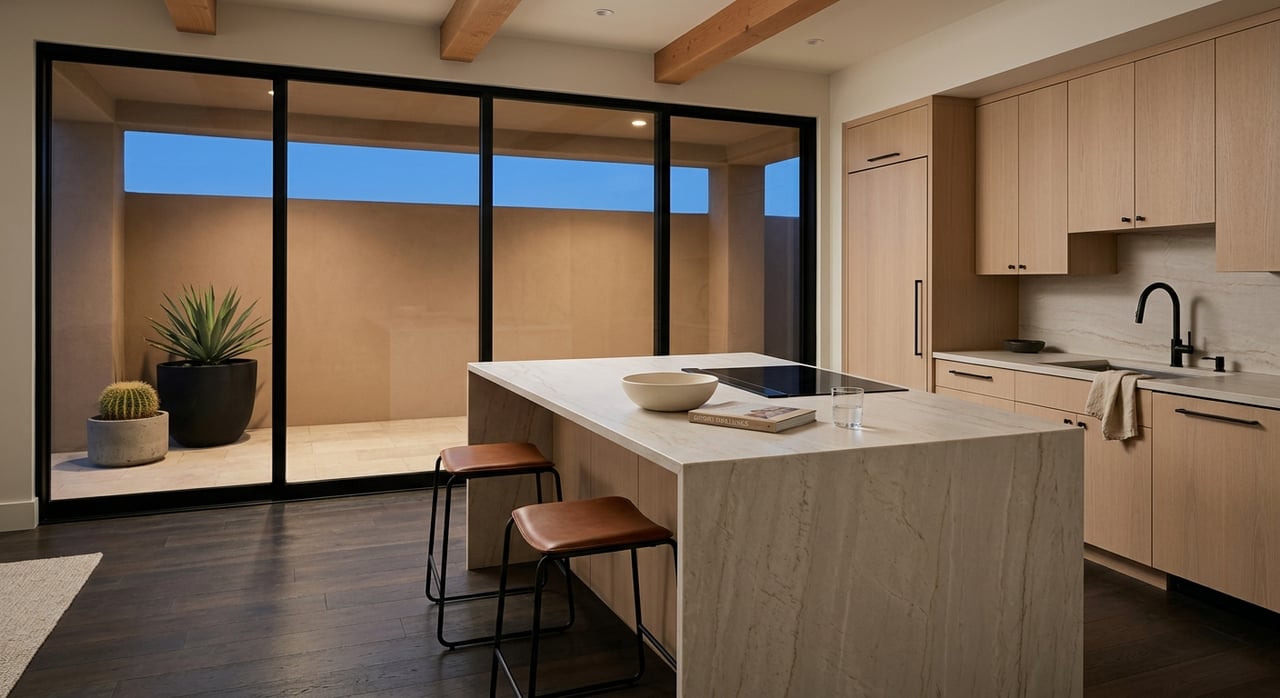
Paradise Valley Luxury Home Selling Guide for Estate Prep
If you are preparing to sell a Paradise Valley estate, presentation is not a finishing touch. It is part of the strategy. In a market where buyers have options and expectations are high, the condition, pricing, and launch plan of your home can shape both timing and outcome. The good news is that with the right preparation, you can position your property to stand out from day one. Let’s dive in.
Paradise Valley is not a market where you can rely on scarcity alone. According to the March 2026 Paradise Valley residential market report, the market had 318 active listings, 62 closed sales, 9.35 months of inventory, a median sold price of $4,225,000, and a sold-to-list price ratio of 94.7%.
That backdrop tells you something important. Buyers are still active, but they are also selective. When inventory is meaningful, condition-adjusted pricing and polished presentation matter more because buyers can compare your estate against many other options.
That local pattern fits broader Phoenix-area conditions as well. Scottsdale REALTORS noted that well-priced homes in good condition were selling, while overpriced properties or homes needing too much renovation were more likely to sit.
For most Paradise Valley estates, the best pre-listing work is usually not a major remodel. It is the visible, high-impact work that helps a buyer feel immediate confidence in the property.
The 2025 NAR staging survey found that the most common seller-prep recommendations were decluttering the home, entire-home cleaning, and improving curb appeal. Those priorities are especially relevant in a luxury setting, where buyers often notice maintenance, finish quality, and overall cohesion right away.
A strong prep plan often includes:
These updates are often more practical than jumping into major structural work. They improve how the property feels, photographs, and shows without creating unnecessary delay.
In Paradise Valley, not every exterior improvement is simple cosmetic work. Before starting landscape, wall, gate, pool, grading, or demolition-related projects, it is smart to review the Town’s building permit guidance.
The Town outlines separate permit pathways for building, demolition, electrical, fence and site wall, mechanical, plumbing, pool and spa, grading, and solar work. The fence and site wall category can also apply to fences, gates, planters, gardens, and retaining walls. Demolition permits may be required when more than 12 linear feet of wall or fence, or 12 square feet of roof structure, will be removed.
If your property includes hillside features or more complex site conditions, there may be added design-review considerations. The Town’s review guide also notes standards that can affect screen walls, pool fences, lighting, paint colors, solar elements, and driveway materials.
Landscape updates deserve special care in Paradise Valley. The Town’s Native Plant Preservation Plan guidance requires approval before removal, destruction, or relocation of protected native plants in certain situations, including demolition permits, grading permits, and some large additions.
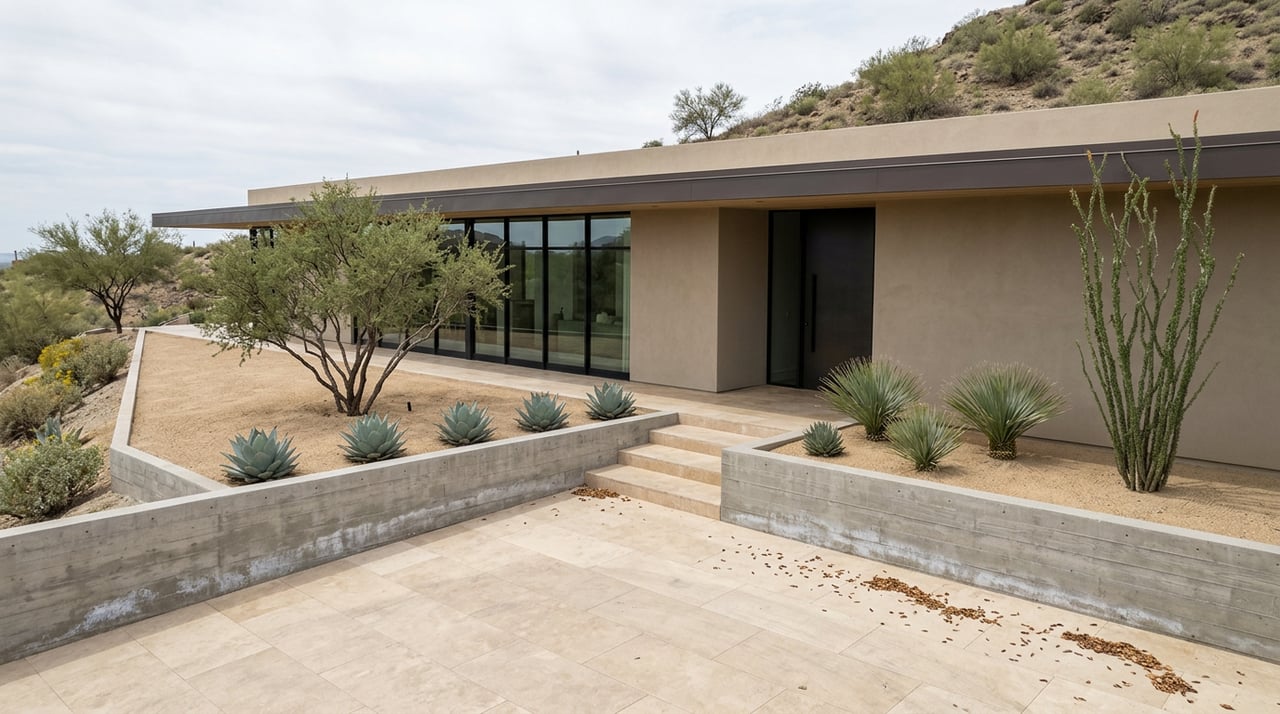
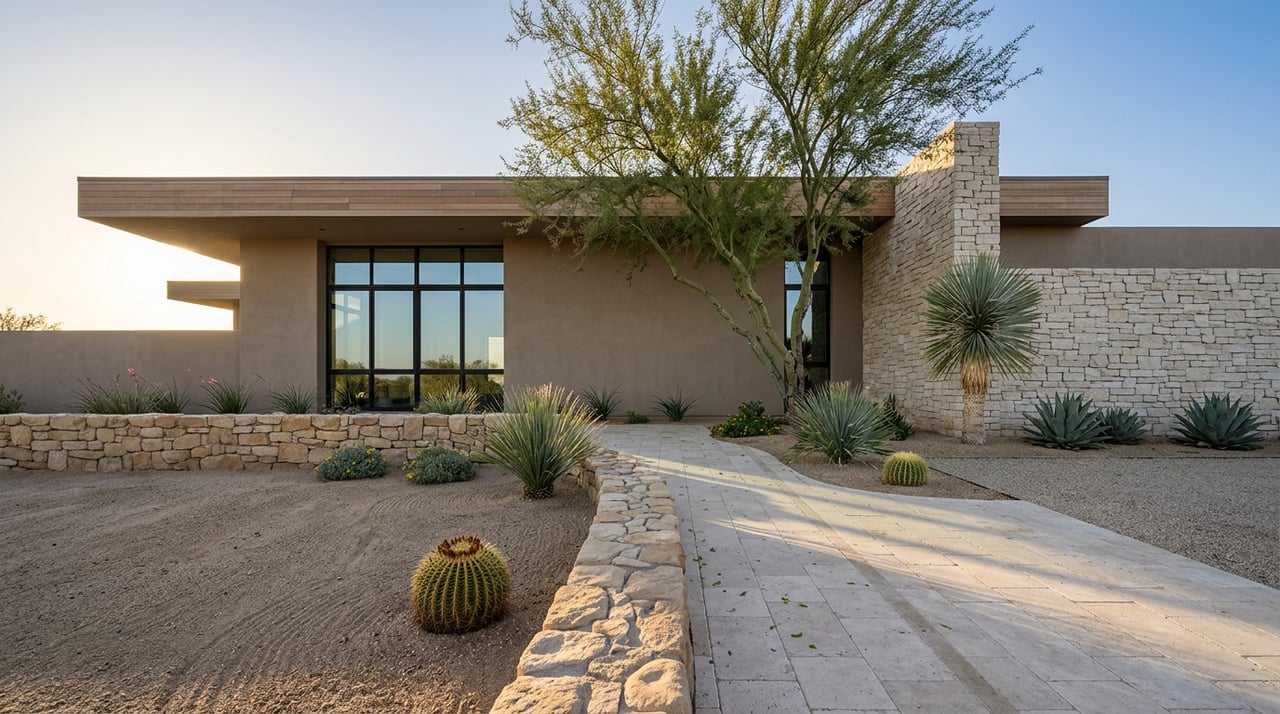
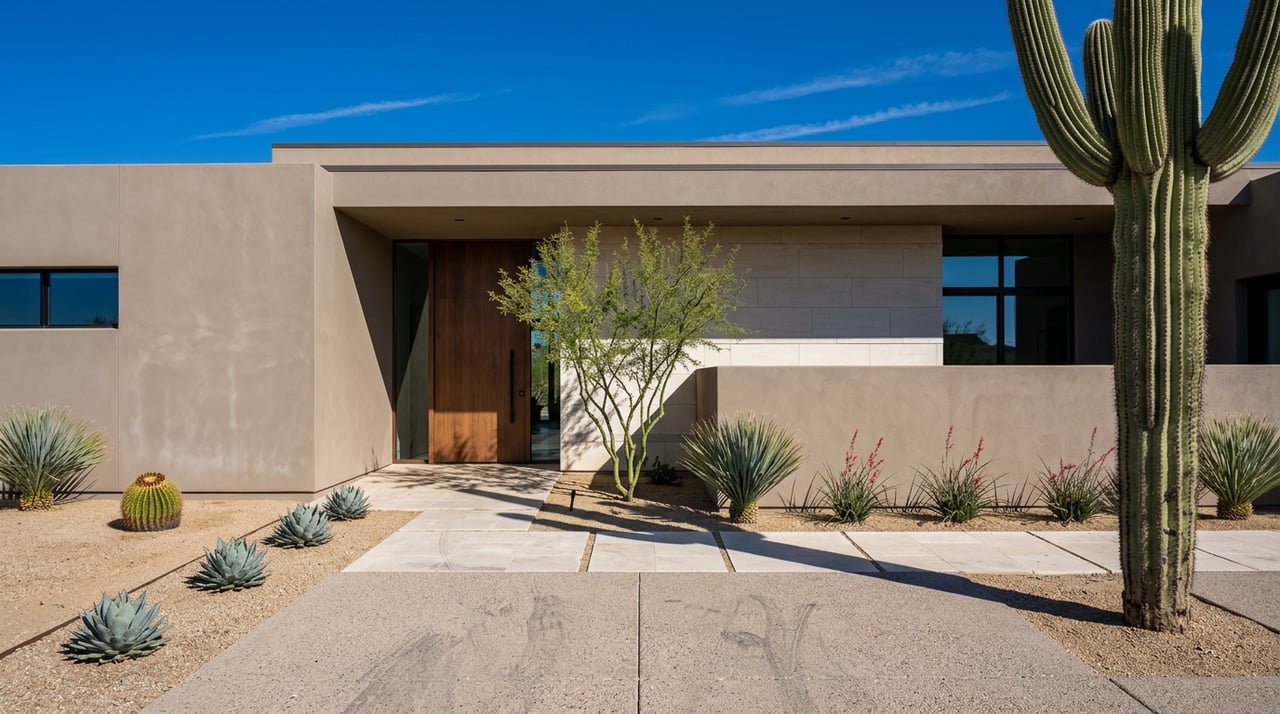
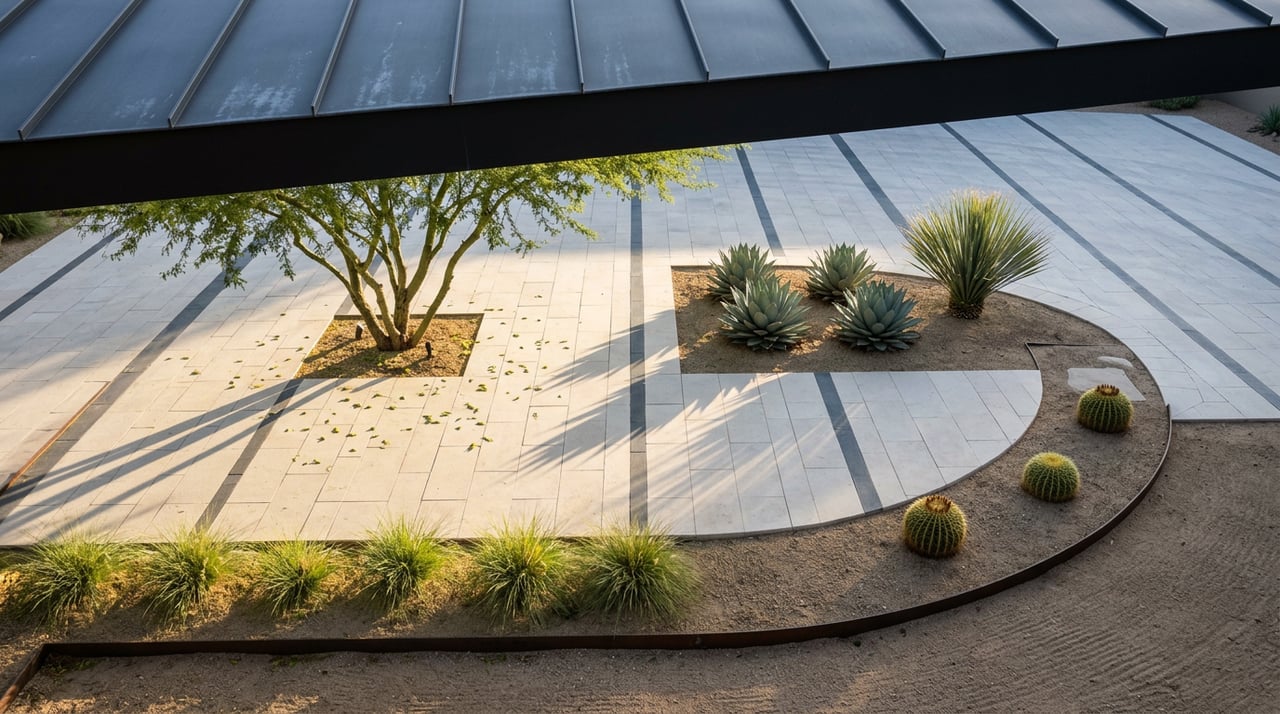
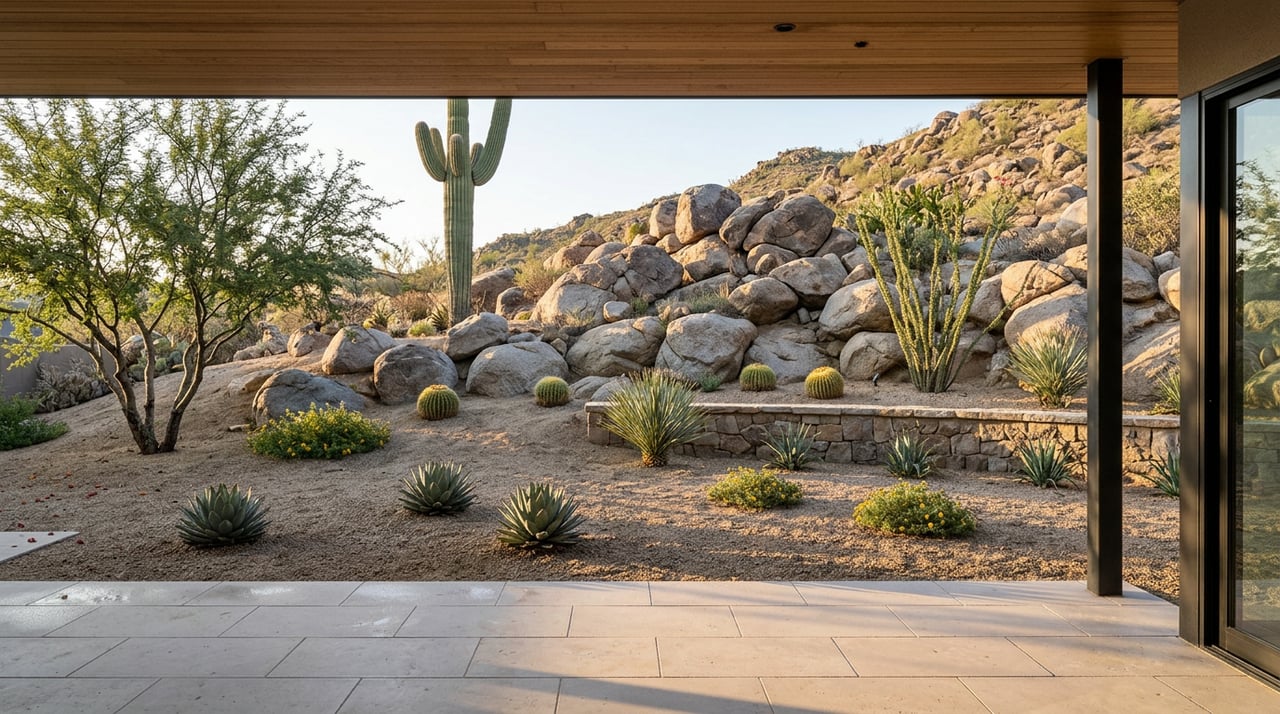
That matters because desert landscaping is part of how many Paradise Valley estates present themselves. A neat, well-maintained exterior can absolutely elevate curb appeal, but it should be planned with local rules in mind.
The Town’s water conservation guidance also points owners toward xeriscaping, low-water-use plants, and thoughtful irrigation planning. In practice, that supports a landscape approach that looks intentional, polished, and appropriate for the Sonoran Desert.
Luxury buyers usually see your home online before they ever step inside. That means staging is not just about open-house appeal. It is about how your estate reads in photos, video, and private marketing materials.
The 2025 NAR staging report found that 30% of sellers’ agents saw a slight decrease in time on market from staging, while 19% reported a large decrease. The same report found that 19% said staging increased the dollar value offered by 1% to 5%, and another 10% reported increases of 6% to 10%.
For a Paradise Valley estate, staging should help buyers understand scale, flow, and lifestyle without feeling overly decorated. The goal is clarity, not clutter. Clean sightlines, balanced furnishings, and understated styling often do more than highly personal design choices when you are preparing for a broad pool of qualified luxury buyers.
In high-end real estate, polished visuals are part of the listing strategy. They shape the first impression, support private previews, and help justify value before a buyer ever schedules a showing.
According to the same NAR staging survey, sellers’ agents said photos, videos, and physical staging were highly important to clients. For estate properties, that makes professional photography and video core launch assets rather than optional extras.
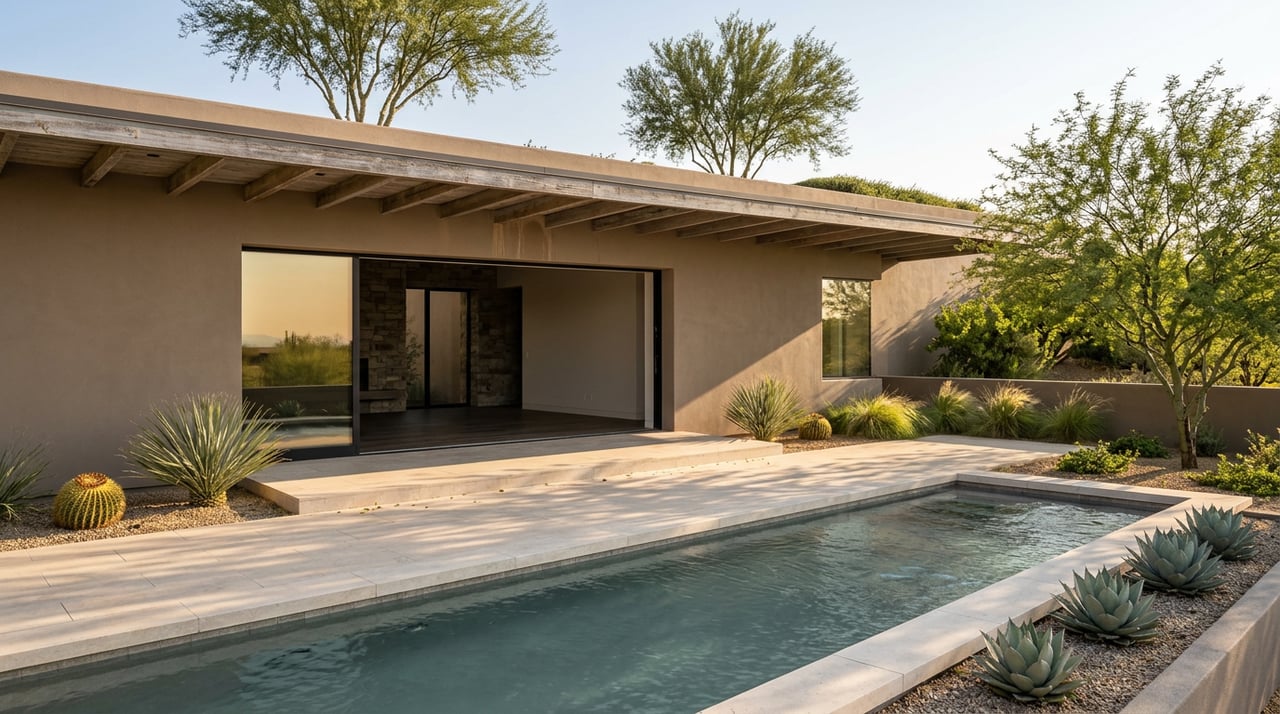
This is especially true in Paradise Valley, where architecture, mountain views, site orientation, and indoor-outdoor living all need to be captured with care. Strong visuals help communicate the property’s design, setting, and sense of privacy in a way casual imagery cannot.
For many Paradise Valley sellers, discretion matters as much as exposure. A thoughtful launch should protect privacy while still making the property accessible to serious, qualified buyers.
The NAR Safe Listing Form recommends removing valuables, personal information, medications, and weapons from the home. It also advises sellers to work through their REALTOR® rather than opening the door to unknown visitors, and it supports restricting access to buyers who are pre-qualified or properly identified.
That guidance fits the reality of estate sales. In many cases, an appointment-only showing plan is more appropriate than a casual public approach. Controlled access supports both safety and presentation, especially when the home is occupied or contains valuable art, furnishings, or personal collections.
Some Paradise Valley estates benefit from a more measured debut. Compass Private Exclusives allows sellers to market first within Compass’ network, schedule private showings at convenient times, and keep photos and floorplans inside a trusted network before broader public exposure.
Compass also reports that, in its internal analysis, pre-marketed listings were associated with a 2.9% higher close price, 20% faster time to contract, and a 30% lower likelihood of price drops. Those are Compass-reported results, not independent market-wide findings, but they do reflect why some sellers prefer a phased launch strategy.
For the right property, a private-market period can provide early feedback, preserve discretion, and help refine pricing or presentation before a full public rollout.
Pricing should never be treated as a separate decision from property prep. In a market with 9.35 months of inventory and a sold-to-list ratio below 100%, buyers are paying attention to value, condition, and how much work a home appears to need.
That is why visible improvements, staging, and launch timing should all support your pricing strategy. If your estate is presented as turnkey, buyers may respond differently than they would to a home that feels dated, unfinished, or priced as though no preparation is needed.
NAR’s 2025 seller research found that sellers prioritize marketing help, competitive pricing, and selling within a specific timeframe when choosing an agent. In practice, those three priorities work best when they are planned together from the start.
If your estate would benefit from pre-sale work, funding and coordination can become part of the decision. Compass Concierge is designed to front the cost of eligible home-improvement services, with payment due at closing, and may include services such as staging, flooring, painting, landscaping, decluttering, and cosmetic renovations.
For some sellers, that can reduce friction and help move the property from “good” to market-ready without paying those costs upfront. Eligibility is limited to sellers who list with Compass and use the program, and fees or interest may apply depending on state. Compass also notes that it is not a lender.
Used thoughtfully, this kind of program can help you complete the updates that buyers notice most while keeping the timeline moving.
An estate-level property needs more than an MLS entry and a few listing photos. The marketing should reflect the quality of the home, the expectations of likely buyers, and the reach needed to find them.
Compass’ Luxury Division says it uses custom branding, editorial placements, targeted affluent prospect lists, and a national network of more than 17,000 agents. Compass also notes its connection to Christie’s International Real Estate, whose network includes more than 100 independently owned brokerage affiliates in 50 countries and territories.
That matters because top-tier buyers may come from outside the immediate area. Compass also noted in its 2025 Ultra-Luxury Report press release that buyers at the $10 million-plus level are often seeking privacy, standout properties, and long-term value. A well-prepared Paradise Valley estate should be marketed with that mindset in view.
If you want to prepare your Paradise Valley estate efficiently, focus on the sequence as much as the individual tasks.
A smart roadmap often looks like this:
When those steps are coordinated well, your listing enters the market with more clarity and fewer avoidable objections.
Preparing a Paradise Valley estate for sale is not about doing everything. It is about doing the right things in the right order. In today’s market, the homes that stand out are typically the ones that respect buyer expectations, local property rules, and the importance of polished, private, well-timed execution. If you are considering a sale and want a discreet plan tailored to your property, connect with Bob Martz for a private market consultation.
Stay up to date on the latest real estate trends.
With experience and expertise in multiple facets of the business have given us the skills to deal with any transaction, regardless of the type or price point.

BOB MARTZ
4222 N Marshall Way Ste A Scottsdale AZ 85251