Paradise Valley As A Resort-Style Home Base
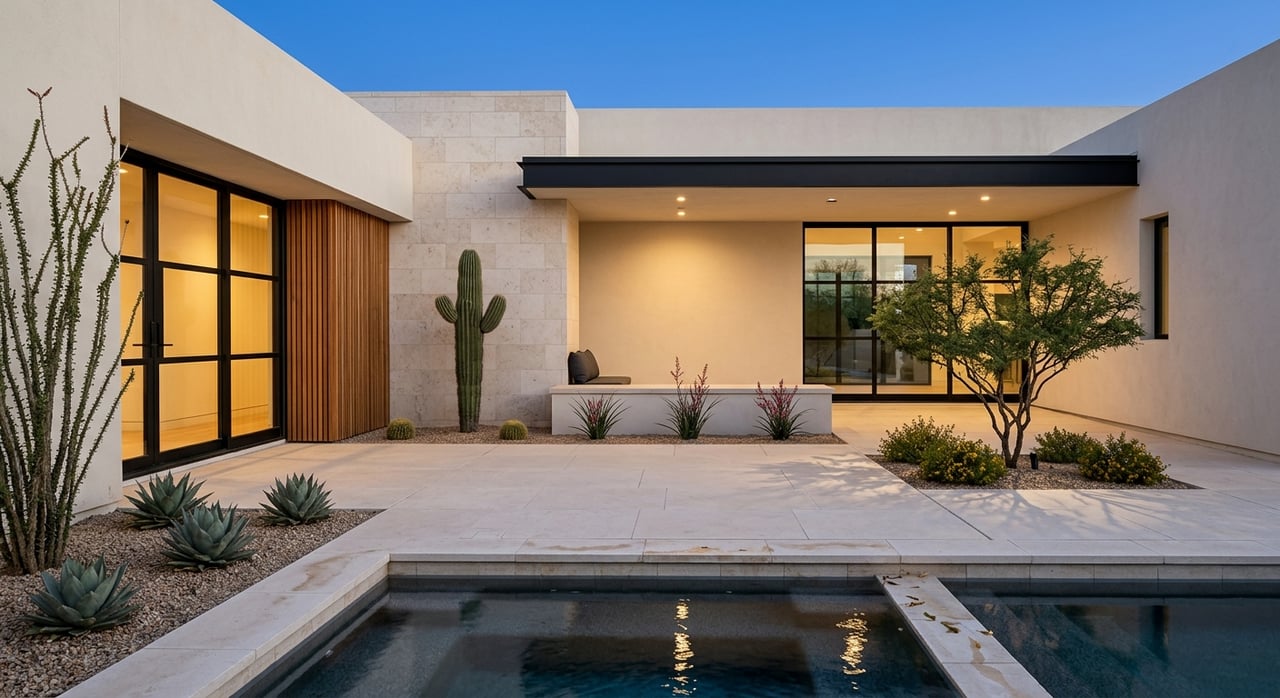
If you want a home that feels like a private retreat without giving up access to everyday convenience, Paradise Valley deserves a closer look. This is a place where residential privacy and resort access sit side by side, creating a lifestyle that feels calm, polished, and distinctly Arizona. If you are weighing a primary residence, second home, or long-term luxury move, understanding how Paradise Valley actually lives day to day can help you decide if it fits. Let’s dive in.
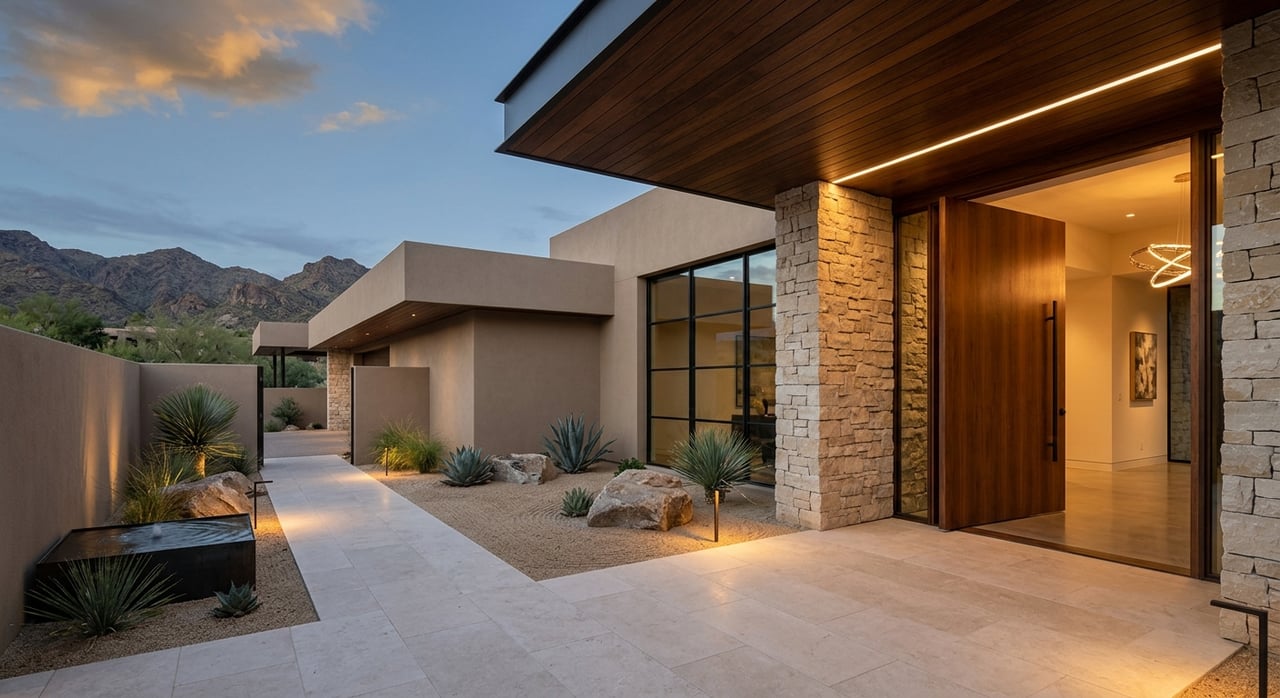
Paradise Valley is often described as a quiet desert oasis in the heart of the Scottsdale-Phoenix corridor, and that framing fits. The town reports about 12,774 residents across 15.4 square miles, with a setting defined by low-density residential character, mountain views, and a strong emphasis on privacy.
That resort-style feel is not just about luxury homes. It also comes from the town’s unusual mix of residential land, open space, and hospitality amenities. Paradise Valley includes 9 resorts, 3 golf courses, 11 schools, and 4 medical centers, which gives you access to a high-amenity lifestyle without making the town feel commercial or dense.
What makes Paradise Valley different is that it is residential first. The town’s planning documents emphasize low density, large lots, quiet neighborhoods, dark-night skies, and public safety, while resorts serve as an important secondary use rather than the main identity.
That balance matters if you want a home base that feels peaceful rather than busy. You can enjoy resort dining, spa access, golf, and mountain views while still living in a community shaped around single-family homes and a slower pace.
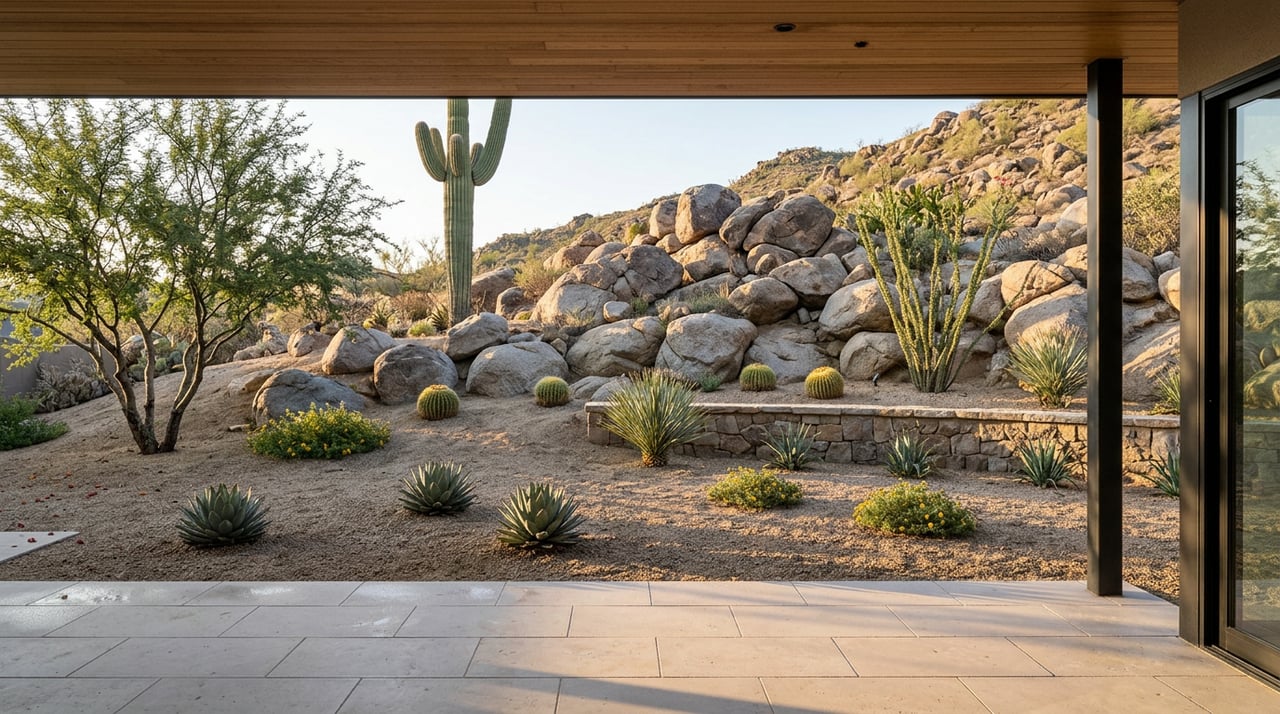
Geography does a lot of the work here. Paradise Valley is nestled around Camelback Mountain, Mummy Mountain, and the Phoenix Mountain Preserve, and the town treats those mountain views as part of its long-term identity.
That means the lifestyle is tied to the land itself. Wide-open sightlines, desert topography, and protected view corridors help create the sense that your home is part of a retreat environment, not just located near one.
One of the easiest ways to understand Paradise Valley is to picture a typical day. With 294 sunny days per year, the climate supports outdoor living for much of the year, even with hotter summer conditions that include an average July high of 104 degrees and an average January low of 35.9 degrees.
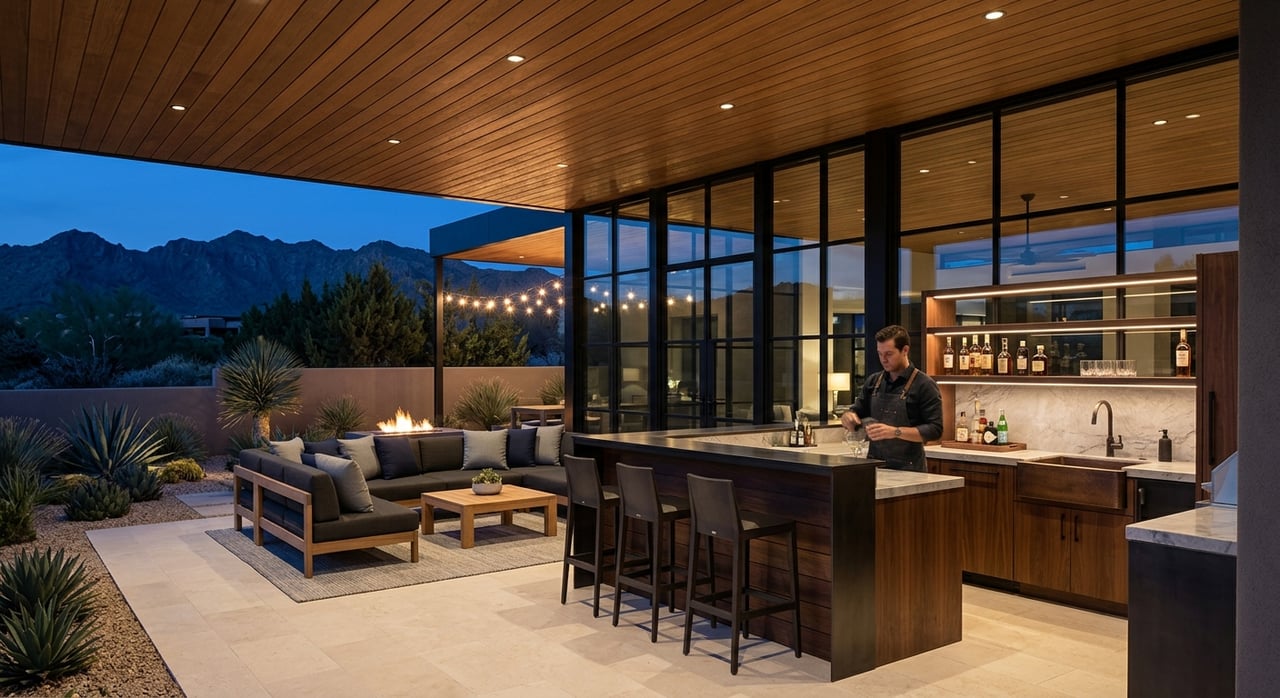
For many homeowners, the rhythm is simple and appealing: time outside in the morning, quieter indoor or pool time in the afternoon, and dinner or drinks at a nearby resort setting in the evening. That pattern fits the town’s climate, open-space priorities, and amenity mix.
Paradise Valley traditionally has not focused on conventional parks in the way some communities do. Instead, its open-space planning favors walking, biking, and other low-impact recreation, supported by the surrounding mountains, wash corridors, and preserve areas.
If you value movement and scenery more than a packed activity schedule, that can be a real advantage. The outdoor lifestyle here tends to feel natural, scenic, and integrated into daily life rather than programmed.
Camelback Mountain is one of the area’s defining landmarks, and trail access near Echo Canyon and Cholla is part of the broader lifestyle conversation. The town also recognizes that trail access can affect nearby neighborhoods, so it actively manages issues tied to traffic, noise, and circulation.
For you as a buyer, that means outdoor access is close at hand, but it also helps to understand how location within Paradise Valley can shape the feel of your day-to-day routine. A home near major access points may live differently than one tucked farther into the interior of the town.
Paradise Valley’s resort identity is one of its clearest strengths. The town’s official resort directory includes Camelback Inn, Mountain Shadows, Omni Scottsdale Resort & Spa at Montelucia, Sanctuary Camelback Mountain, Hermosa Inn, Andaz, DoubleTree Paradise Valley Resort, Scottsdale Plaza Resort, and SmokeTree Resort.
That concentration of resorts gives homeowners something valuable: lifestyle overflow. Your home may be the center of your life, but nearby resorts can function as extensions of it for dining, wellness, recreation, and hosting guests.
In Paradise Valley, dining is closely tied to the resort environment. Instead of a dense street-grid commercial core, the town’s food and beverage identity is shaped largely by resort restaurants, patios, bars, and view-oriented venues.
Omni Scottsdale Resort & Spa at Montelucia, for example, includes Prado, Mbar, Taqueria Centro, Crave Cafe, and Joya Terrace. Mountain Shadows highlights Hearth '61 and mountain-view patios, while Camelback Inn adds multiple dining options along with golf and spa access.
Sanctuary Camelback Mountain is a useful example of the town’s luxury-wellness positioning, with casitas, spa amenities, Elements restaurant, Jade Bar, and in-room dining. Across the broader resort landscape, the emphasis is consistent: service, views, wellness, and relaxed sophistication.
For second-home buyers and relocating buyers especially, this can make the transition into Paradise Valley feel easier. You are not relying only on your property for lifestyle value. The surrounding hospitality environment adds flexibility and convenience.
Paradise Valley’s housing pattern is a major reason the town works so well as a resort-style home base. According to the 2022 General Plan, 75.94 percent of existing land use is single-family residential, and low-density residential remains the predominant future designation.
The town also intends to preserve one-acre lots and its principal single-family character. Since only 5.2 percent of the planning area remains undeveloped, the market is largely an infill and redevelopment story rather than one driven by large-scale new expansion.
If you are searching in Paradise Valley, some of the biggest differentiators are often lot size, privacy, view corridors, and topography. That may mean comparing a flat-lot estate to a hillside property, or weighing a tucked-away setting against proximity to a resort or golf amenity.
Those differences are not minor. In a town known for quiet residential living, the way a property sits on the land can strongly shape how private, scenic, and resort-like it feels.
While Paradise Valley is known for large-lot custom homes, the housing stock is not perfectly uniform. The General Plan notes that the town also includes some cluster developments, some lots smaller than one acre, and resort special-use properties.
That is useful if you want flexibility within the market. You may be looking for a major estate, a lock-and-leave second home, or a property near hospitality amenities. Paradise Valley can support more than one luxury lifestyle, even while staying true to its residential core.
For view-oriented homes and hillside estates, the town’s review process is an important part of ownership and planning. The Hillside Building Committee reviews issues such as land disturbance, heights, lighting, materials, grading, and drainage.
If you are considering a remodel, rebuild, or teardown opportunity, these details matter early. In a market where views and site integration can significantly affect long-term value, understanding the local framework is essential.
Paradise Valley is especially compelling if you want a home that supports seasonal living, flexible use, or a refined lock-and-leave lifestyle. The appeal is less about nightlife or a dense entertainment district and more about privacy, service, scenery, and easy access to nearby Scottsdale and Phoenix.
That distinction is important. If your ideal second home feels like a private retreat with hospitality support nearby, Paradise Valley fits that vision well.
The town regulates short-term rentals to protect quiet neighborhoods, reduce neighbor impacts, and support responsible hosting. If you are evaluating a property as a personal retreat, a part-time residence, or a long-term hold, that local framework should be part of your decision-making.
In other words, Paradise Valley supports a resort-style rhythm, but it also actively protects residential quiet. That is a strength for many buyers, especially those who value consistency and privacy.
Paradise Valley tends to suit buyers who value privacy, mountain views, low-density surroundings, and easy access to golf, spa, and resort dining. It is often a strong match if you want a slower residential pace instead of a more urban lifestyle.
That can include full-time residents, relocating executives, and second-home buyers who want a polished base in the Scottsdale-Phoenix area. The common thread is usually the same: you want your home life to feel elevated and calm, not crowded or overstimulating.
Because Paradise Valley is largely built out, real estate decisions here often come down to nuance. Lot orientation, topography, view preservation, proximity to resort amenities, and redevelopment potential can all shape value in meaningful ways.
If you are buying, that means looking beyond square footage and finishes. If you are selling, it means presenting the property in a way that captures the lifestyle story buyers are actually seeking. In a market like this, careful positioning matters.
For owners preparing to sell, thoughtful pre-market preparation can also be important, especially in the ultra-luxury segment. The right improvements, presentation strategy, and negotiation plan can help protect value while reducing friction during the process.
If you are considering a move in Paradise Valley, or want a discreet read on how your property fits today’s market, Bob Martz offers private, high-touch guidance shaped by deep local experience in the luxury space.
Stay up to date on the latest real estate trends.
With experience and expertise in multiple facets of the business have given us the skills to deal with any transaction, regardless of the type or price point.
BOB MARTZ
4222 N Marshall Way Ste A Scottsdale AZ 85251